Guide to Southlake New Construction Homes for Buyers
March 5, 2026
March 5, 2026
Building new in Southlake is exciting, but it is not the same as buying in a large suburban tract community. Land is scarce, price points are higher, and many homes are custom or showcase builds with layered decisions on lots, finishes, and contracts. If you want a smooth experience and a great end result, you need a clear plan. In this guide, you’ll learn what new construction looks like in Southlake, how to choose the right lot and builder, what to expect in contracts and inspections, and where smart negotiation can save you real money. Let’s dive in.
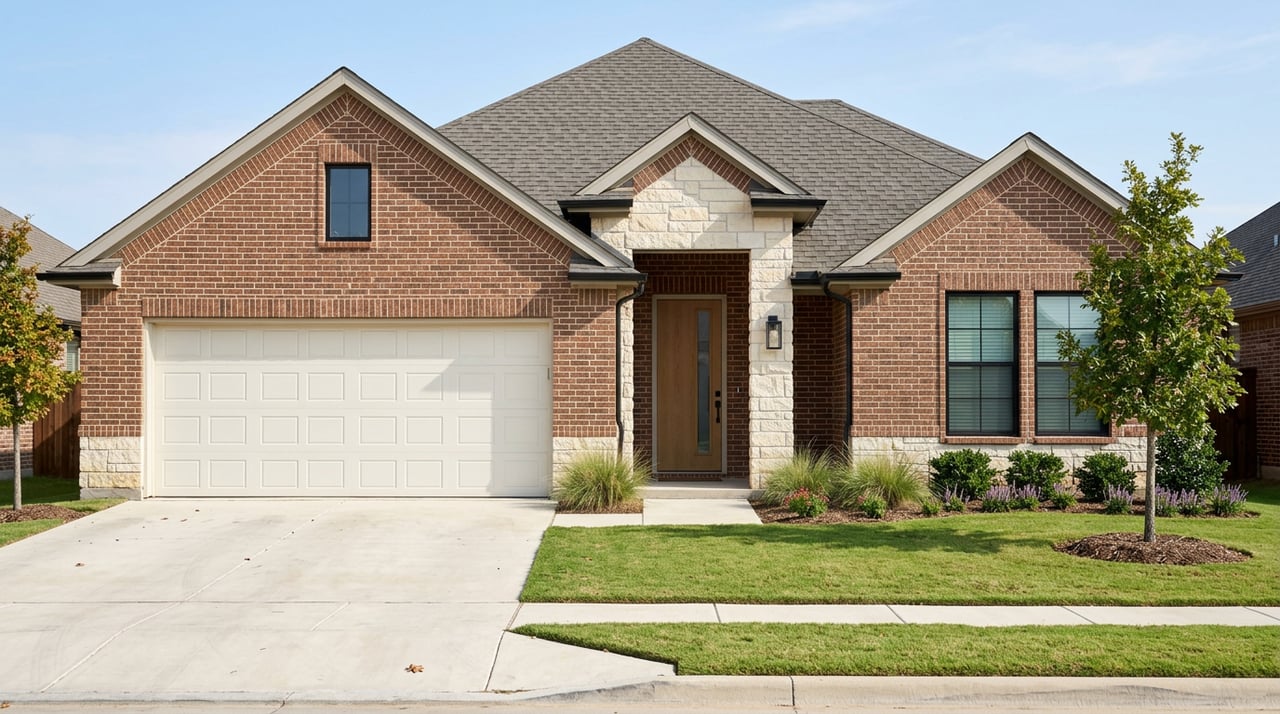
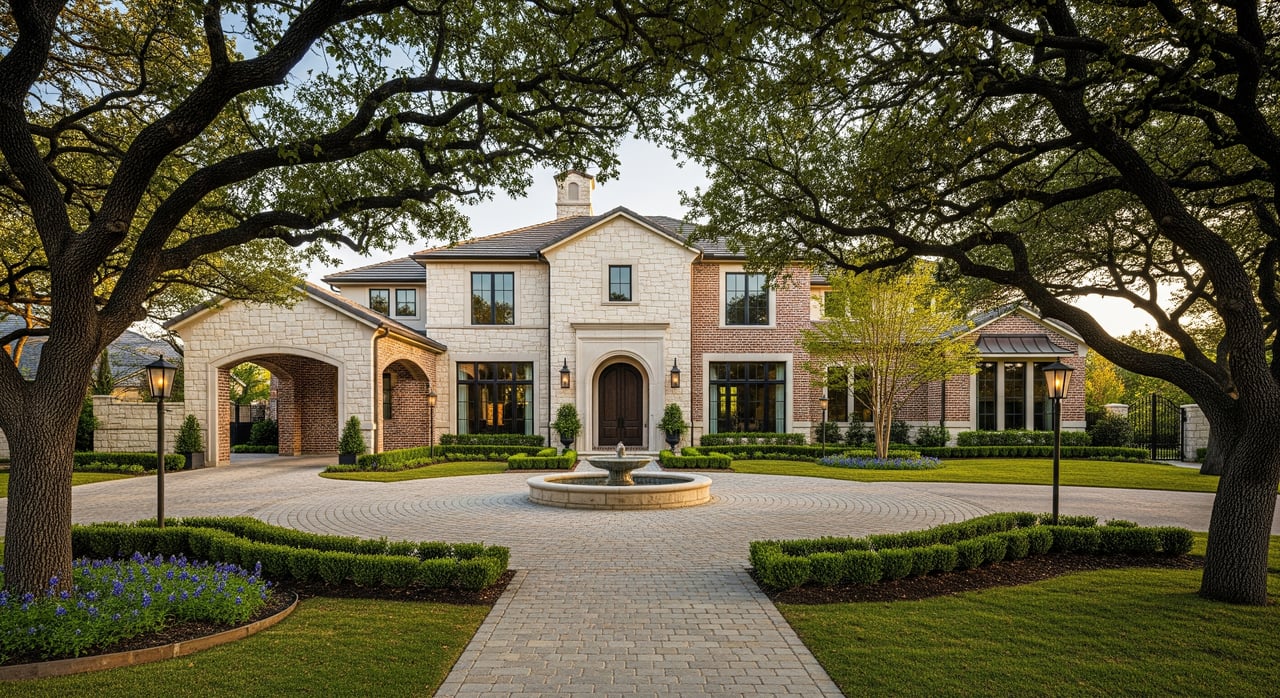
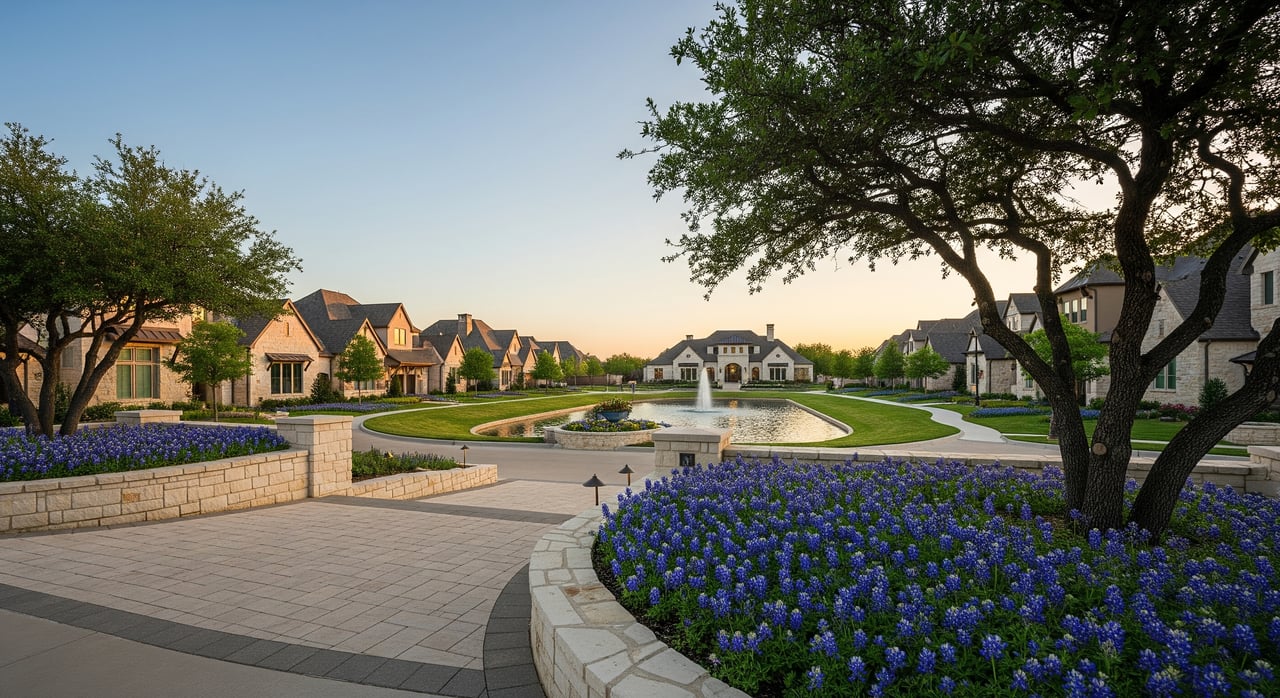
Southlake’s new construction skews toward luxury. You’ll see a mix of boutique estate developments with larger lots, one-off infill spec homes, and a notable mixed-use plan in Carillon Parc. Instead of big national tract builders, you’re more likely to meet boutique and custom teams that match the city’s high-end profile.
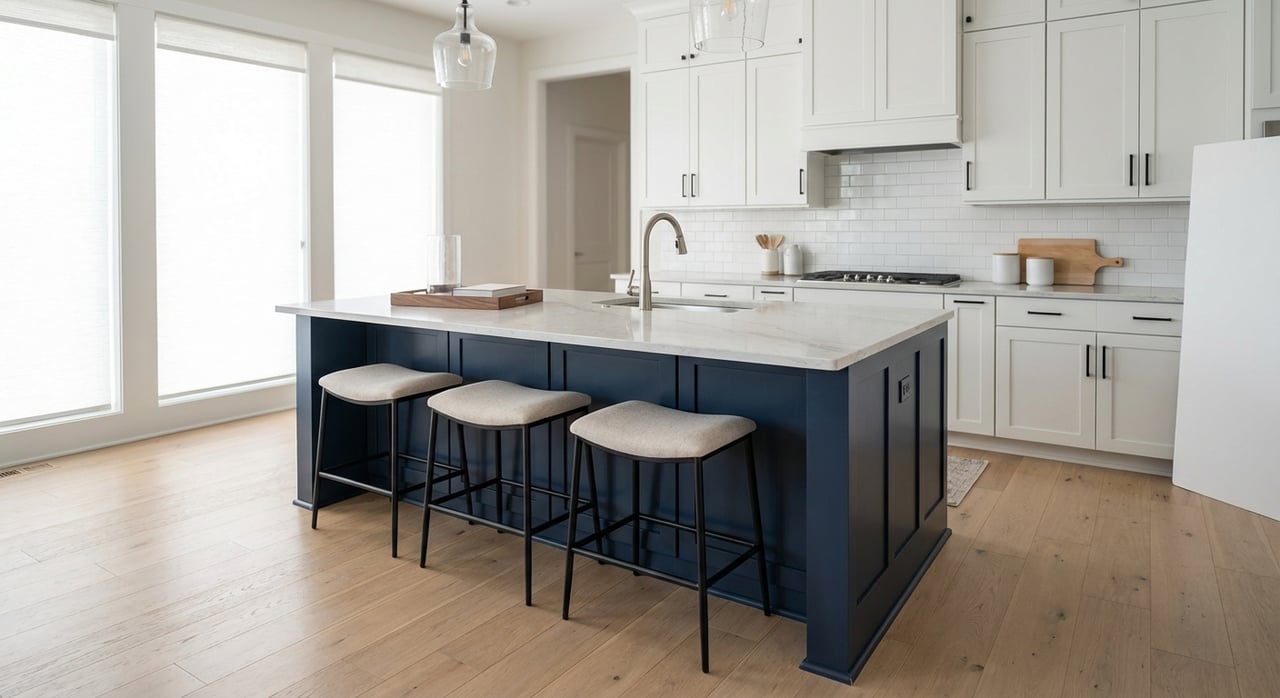
At this price point, many spec homes market premium finishes and energy performance. Builders that position themselves as high-performance or luxury often include items like:
Even luxury specs come with an allowances structure. Items often priced above the base include:
Ask for the standard features list, the exact dollar amount of each allowance, and the written pricing method for overages before you sign.
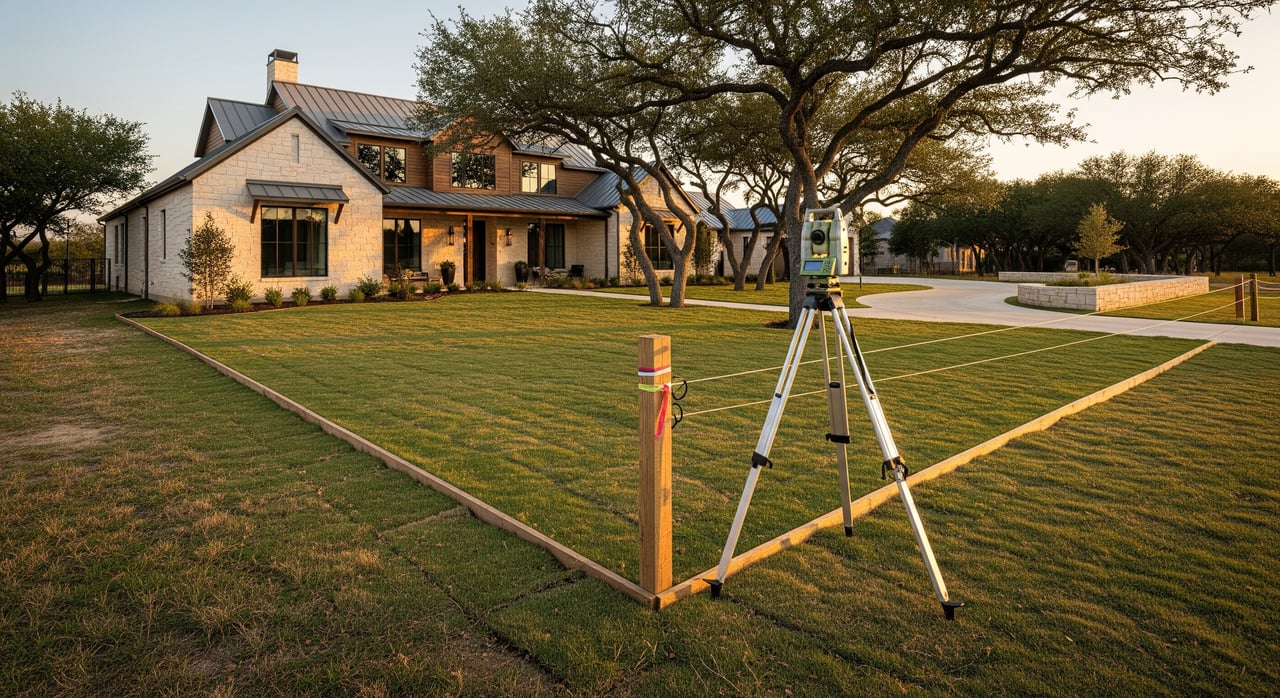
Your lot drives daily enjoyment and future resale. In Southlake, you should vet governance, taxes, site engineering, and location context before you commit.
Most new pockets have mandatory HOAs with architectural controls and stated minimums. These rules can support neighborhood consistency and resale confidence, but they also add cost and limit certain choices. Request the full HOA packet and covenants, confirm current assessments and any special fees, and review architectural guidelines for setbacks, exterior materials, fences, and pool placement.
In Texas, some new developments finance infrastructure through special districts that show up on your tax bill as separate lines. Learn what a Municipal Utility District is and how it is funded using this MUD overview. For broader context on how special districts can affect property tax burdens, see statewide coverage from the Houston Chronicle. If a property is in a MUD or PID, pull the district’s tax rate and bond schedule and compare total carrying costs to similar homes outside those districts.
Screen every candidate lot on FEMA’s official map before you go under contract. Use the FEMA Flood Map Service Center to identify any flood zones or drainage easements. On lots near creeks or low spots, ask the builder for grading plans and, if needed, an elevation certificate. A little diligence here can protect your insurance costs and build options.
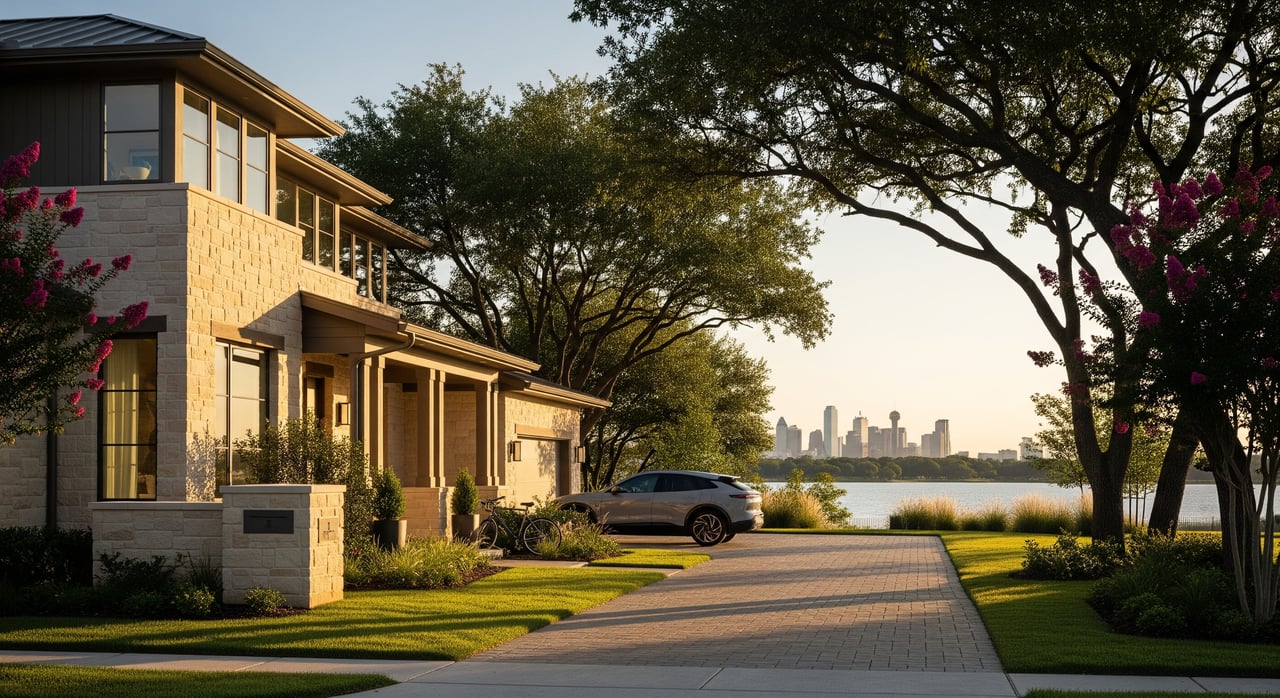
Lot attributes matter in luxury neighborhoods. Consider sun exposure for outdoor living, mature trees and preservation rules, usable backyard depth for a pool or guest space, and proximity to major roads. Ask for a map of any future phases or nearby planned development so you understand what may be built around you over time.
The builder’s on-site sales rep works for the builder. To protect your interests, bring your own buyer’s agent and have them registered with the builder at first contact. Texas law requires written agency disclosures and provides standard forms through the Texas Real Estate Commission. Your agent will help you evaluate lot options, negotiate incentives, and review the contract language unique to new builds.
New construction purchase agreements differ from resale. Some builders use TREC-promulgated new-home forms and others use their own agreements. Either way, review the construction schedule, allowances and overage pricing, change-order rules, completion timing, and any dispute or arbitration clauses. You can learn more about standard consumer forms and resources at the Texas Real Estate Commission. Before you sign, confirm in writing what is included, what is an upgrade, and the process for documenting and approving selections.
City code inspections do not replace third-party, buyer-side inspections. In Texas, it is common to order at least three:
For a deeper explanation of why phase inspections protect you, review guidance from AHIT.
Most Texas builders follow a 1-2-10 style warranty: 1 year on workmanship and materials, 2 years on major systems, and 10 years on structural components. Many enroll homes with third-party providers. Learn what a structural warranty typically covers and how claims work with resources from 2-10 Home Buyers Warranty. Before closing, confirm what is covered, how to file claims, and whether the warranty transfers if you sell.
Builders may offer rate buydowns, closing cost credits, extended rate locks, or upgrade packages. These can be valuable, but compare the true dollar impact to an outside lender quote. Recent DFW market cycles have seen builders use incentives to move inventory. You can read about common incentive structures and rate dynamics in resources that track the Dallas–Fort Worth housing market. Your agent can help you calculate a break-even to decide whether to take an incentive or negotiate price instead.
Use this quick list to stay organized:
Before model visits
Lot due diligence
Contract and selections
Inspections and warranty
Monthly costs and resale
Buying new in Southlake is a high-stakes, detail-driven process. With the right guide, you can secure a standout lot, lock in smart upgrades, protect yourself through inspections and warranties, and keep your build on track. If you want a white-glove partner who understands luxury new construction across north DFW and will manage the moving parts with discretion, reach out to Paula Bradley.
Stay up to date on the latest real estate trends.


With years of experience and deep knowledge of the Highland Village market, Paula Bradley is committed to helping buyers and sellers navigate every step with confidence. From finding the perfect home to negotiating the best deal, trust Paula to make the process stress-free and successful.